






Just Moved to DFW? Here’s What To Do First
Welcome to the Jungle that is DFW! As you have likely realized, there is a lot to take in. For many newcomers, Dallas-Fort Worth can feel more like a region than a single city and, well, that’s exactly what it is. The DFW metroplex spreads across multiple counties, dozens of suburbs and two major city centers. Life can look very different from each of these locations. This economic, cultural and even geographic diversity can be overwhelming to new residents wanting to orient themselves to life in North Texas. With that in mind, let’s take a quick look at your DFW relocation checklist.
Get Your Home in Order
Before you consider exploring neighborhoods and finding your new favorite taco spot, you should first unpack and prep your new ground zero. Start with the basics so that you are able to quickly function. You might also put a strong focus on breaking out those comfort items so that “at-home” buzz finds you quickly.
By now, you have also likely noted that there might be a slight difference in regard to how utilities play out in Texas. More specifically, electricity is deregulated. This means that you can choose a provider instead of accepting a default utility company. Sounds nice? Well, it is. However, it also requires due diligence. You will want to compare rates and make sure that you and your new home are tied into a company you can trust before your first summer arrives.
Texas Residency Issues to Note
Next up on your DFW relocation checklist is making sure that you have a handle on all state residency requirements. As an example, the Texas Department of Motor Vehicles gives you exactly 30 days to register your vehicle with the state. You can also drive with an out-of-state license for 90 days. It’s also worth noting that the state has a preference here. You should register your vehicle before applying for a state license.
You might be surprised to learn that the DFW metroplex requires emissions testing for state inspections. You will also need to make sure that you have Texas-compliant auto insurance. The recommendation here is to gather your documents and schedule those visits as soon as possible. This should be a first-month priority, or it can quickly become a last-minute nightmare.
Find the Services Before You Need Them
Once you are settled in and have your residency issues behind you, next up on your “new to Dallas-Fort Worth” checklist is understanding your neighborhood, what is available, when and where. It’s likely that you have already spotted your neighborhood grocery store. You will also want to look around for nearby pharmacies, gas stations, urgent care centers, post offices and, if you have pets, a nearby vet.
If you’re new to Dallas-Fort Worth and have children, you will need to know about area schools, playgrounds, parks and after-school activities. Other family and individual services to look for might include doctors, dentists and even local cable and internet providers. Once these services are located and/or established, it’s time to hit the road and, well, there are a lot of them.
Driving the DFW Metroplex
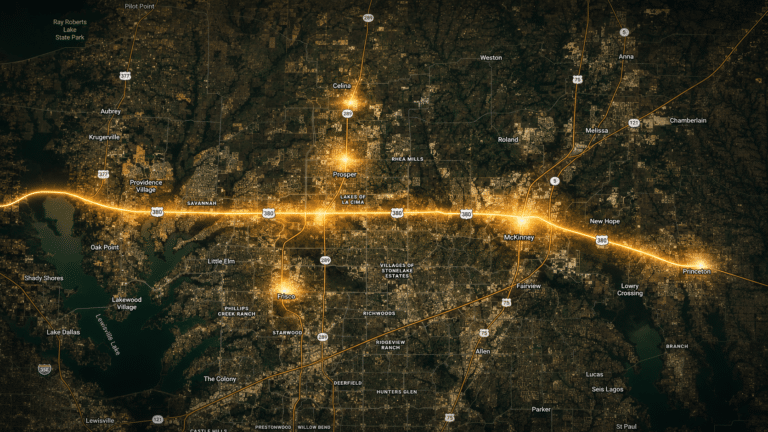
DFW is too large to learn all at once. The recommendation is to start local and then slowly spread out according to your needs and wants. You might choose to join neighborhood groups or educate yourself online. Get to know the highways and corridors that connect the metroplex. It’s also important to know which highways and thoroughfares are heavily trafficked, when and why.
Another big surprise for those who are new to Dallas-Fort Worth is how toll-heavy the metro can be. Many of the big connecting highways and turnpikes are toll roads. Even if you are unsure how much you will be driving early on, it would be wise to set up a toll account as soon as possible. This will save you from those higher pay-by-mail charges and missed notices. We recommend exploring the North Texas Tollway Authority’s website for information on how to get your account activated.
Look Out for Those Money-Saving Details
Once you’ve settled in following your move and you’re feeling ready to be DFW’s latest and greatest, it’s time to look out for money-saving details that you might otherwise be missing out on. For example, if you bought a home, then look to see if you qualify for a homestead exemption. If you are renting, then document your unit carefully and learn the property’s maintenance process, parking rules and package system.
It might also be a good idea to pay close attention to those new utility bills as they come in. Be on the lookout for unusual fees, potential billing errors or an electricity plan that might not be working in your favor. Does this all sound a bit nitpicky? You won’t think so when you find actual savings in your home and utility plans.
If you’re new to Dallas-Fort Worth, then don’t rush the process. Settling in requires a piecemeal plan. First, make your home livable. Second, double down on residency requirements. Third, learn your routes and where the services are that you will need the most. DFW can feel a bit overwhelming at first because there is so much to do and so many places to go, but that size and diversity is what makes the city so flexible and workable.
If you have any questions about your DFW relocation checklist, please feel free to contact IMS Relocation today. We have been helping newcomers move and adjust to their new life in DFW for more than 30 years. Our moving experts are always available to help you understand the what, why, when, how, who and where of our amazing metro. Take note of our 5-star reviews and reach out when you’re next in need of Dallas-Fort Worth’s most trusted and reliable moving company.
